

The historic journey of gambling from ancient rituals to modern casinos

The historic journey of gambling from ancient rituals to modern casinos
Origins of Gambling: Ancient Civilizations
The roots of gambling trace back to ancient civilizations, where it was often intertwined with religious rituals and community gatherings. Archaeological evidence shows that games of chance were played as early as 3000 BC in Mesopotamia, where dice made from animal bones were used. These early forms of gambling served not just as entertainment but also as a way to engage with fate, often believed to be influenced by deities. Today, you can find various platforms that celebrate this tradition, including the vibebet official site United Kingdom, which offers diverse gaming experiences.
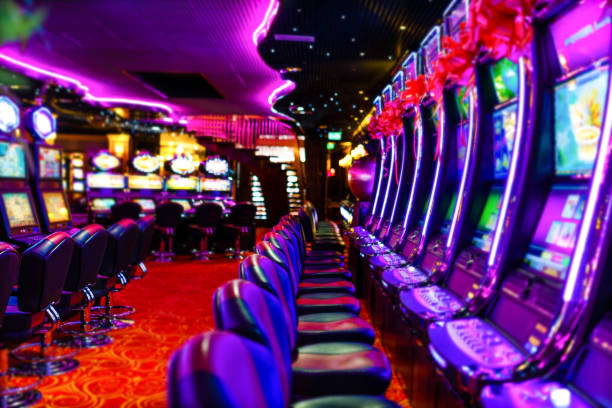
Similarly, in ancient China, gambling emerged as a structured activity, with references to games like keno appearing around 200 BC. The cultural significance of gambling can be seen in various artifacts, highlighting its role in social interactions and even in military strategies, where bets were placed on the outcomes of battles.
The Evolution of Gambling in the Middle Ages
As societies evolved, so did gambling. The Middle Ages saw a shift towards more organized forms of gambling, particularly in Europe. During this period, card games gained immense popularity, and the first gambling houses began to emerge. These establishments were often frequented by the nobility and were seen as places of leisure and intrigue.
The invention of the printing press in the 15th century further propelled the gambling industry, enabling the mass production of playing cards. This innovation democratized gambling, making it accessible to a broader audience. By the end of the Middle Ages, gambling was firmly embedded in European culture, setting the stage for future developments.
The Rise of Casinos in the 18th Century
The 18th century marked a significant transformation in the gambling landscape with the establishment of formal casinos. The Casino di Venezia, opened in 1638, is considered the world’s first official casino, providing a regulated environment for various games. This era also saw the emergence of the first lottery systems, designed to fund public projects.
The allure of casinos grew as they became synonymous with luxury and entertainment, particularly in cities like Monte Carlo and Las Vegas. These venues offered not only gambling but also lavish dining and entertainment, further attracting a diverse clientele and solidifying the casino’s role in popular culture.
Gambling in the 20th Century: Regulation and Popularity
The 20th century brought about significant changes in the regulation and perception of gambling. Many jurisdictions began to legalize and regulate gambling to combat illegal operations and generate revenue. The establishment of the Nevada Gaming Control Board in 1955 exemplified this trend, setting standards for fairness and integrity in gaming.
Moreover, the advent of the internet in the late 1990s revolutionized the gambling industry. Online casinos emerged, providing players with the convenience of gambling from their homes. This digital shift expanded the gambling audience globally and introduced innovative gaming experiences that further changed how people engage with gambling.

Modern Online Casinos and the Future of Gambling
Today, online casinos represent the cutting edge of the gambling industry. Platforms like VibeBet are transforming the landscape with an extensive array of games, including slots, live tables, and innovative styles that cater to diverse preferences. These modern casinos offer users an exhilarating experience while ensuring safe transactions and player security.
As technology continues to advance, the future of gambling looks promising, with virtual reality and blockchain technology poised to redefine player experiences. With a focus on responsible gaming, online casinos are committed to creating engaging yet safe environments for both new and seasoned players, illustrating the evolution of gambling from ancient rituals to contemporary digital experiences.